The 250 € Kitchen Gadget My Mum Did Not Need
Why sadness, stress, boredom and loneliness make us buy things we do not need, what happens in the brain, and a simple pause that stops the cycle.
Last updated 6 September 2026
My mum called me last week just to chat, or so I thought. Somewhere in the middle of the call she mentioned she was feeling a bit flat. Nothing dramatic, just one of those grey days that she tried to cure with emotional spending.
By the time we said goodbye, she had told me the rest of it. Earlier that day she had been feeling sad because my sister and I live far away and she does not see her granddaughter much. So she went to the Bosch website and bought a kitchen gadget for 250 euros to lift her mood. My father passed away, so my mum lives alone, cooks for one, already owns every gadget going, and in reality does not need whatever that machine does.
An hour later my sister called. Bad day at work, rough emails, difficult meetings, everyone around her afraid that AI will take their job. She had already bought a red lipstick on the way home. Her twenty-sixth. She laughed about it, but there was an edge to the laugh, the kind that means she already half regrets it.
I am not judging anyone. I do want to explain the psychology behind this, and what we can actually do about it. Before I go deeper, try the tool below and see why different feelings push you towards different purchases.
What is actually driving the urge to buy right now?
Tap a feeling to begin the timer.
What is really going on
Buying something does not just feel good because you get a nice new thing. There is an actual chemical process behind it.
Your brain releases dopamine while you are deciding to buy, not when the parcel arrives. If you have ever wondered why you feel uneasy or guilty when the box finally turns up, that is why. You already had the hit, and now the rational part of your brain has caught up.
Stress and sadness push you towards that surge for different reasons, which is why the tool above asks what you are feeling rather than treating every urge the same.
Stress is about control
When work feels chaotic, buying something is one of the few decisions you get to make cleanly and immediately. My sister was not really buying lipstick. She was buying a moment where she decided something and it went exactly as planned. Her job might be taken by AI, but the red lipstick never fails and never surprises her.
Sadness is about comfort
It pushes people towards comfort, towards something that feels a bit like being looked after. A gadget that promises to make life easier can feel, for a few minutes, like someone taking care of you. That is closer to what happened with my mum.
Boredom is about stimulation
It is about needing stimulation rather than comfort or control, which is why it usually shows up as endless scrolling rather than one deliberate purchase.
The brain paradox
Our brains are consistently over-optimistic about how good a purchase will make us feel, and for how long. We imagine the lipstick will lift the whole evening. It lifts about four minutes of it.
None of this makes you weak or bad with money. It makes you human. But it helps to name it: emotional spending is a short-term fix for something that needed proper attention instead.
Get every new Rich-Be.com guide, tool and workshop straight to your inbox, no spam, ever.
So what do you do with that pause
The twenty second version above is a taster. Here is what to do when the real urge hits.
-
Name the feeling before you open the shopping app. This sounds too simple to work, but there is real research behind it, sometimes called affect labelling. Putting a feeling into words reduces activity in the part of the brain driving the urge.
-
Add a proper delay. Not twenty seconds this time, a full day. Put the item in the basket and walk away. If you still want it tomorrow, buy it and enjoy it properly. A day is enough for the dopamine spike to settle so you can make the real decision.
-
Ask what the purchase is standing in for. A gadget will not make my mum less lonely in an empty kitchen. Lipstick will not undo a bad meeting. Name the actual need, whether that is control, comfort, stimulation or connection, and you can usually meet it more directly, and for free.
-
Notice your safe purchase. My sister does not buy random things when she is stressed. It is specifically lipstick, and specifically red. Psychologists call this a safe purchase: familiar enough that there is no decision fatigue and no risk of getting it wrong. That is exactly why it becomes a habit rather than a one-off. Notice your own version of it.
-
Build a substitute that matches the feeling. Stress needs a quick sense of control, so tidying one drawer works. Sadness needs comfort, so a phone call or a proper cup of tea works better than any purchase.
-
Keep a short spending and mood log for two weeks. One line each time. You will see your pattern faster than you expect, and once you can see it, it stops running on autopilot.
-
Let yourself off the hook. Shame makes the cycle worse, not better, because now you are managing guilt as well as the original feeling, and guilt is its own uncomfortable emotion people spend their way out of.
Remember this is a process, like quitting smoking or changing how you eat, and it is not linear. Some days you will slip and buy something because the day was hard. The more you practise, the better you get.
This is not about cutting joy out of spending
Buying something you genuinely love, planned for and can afford is nothing like buying something because a feeling got too loud to sit with.
I hope this helps you spend less on impulse. And even if it does not, before you click pay, ask yourself why you are making this purchase. That is really the whole point: not never buying on impulse again, just knowing what you are doing when you do.
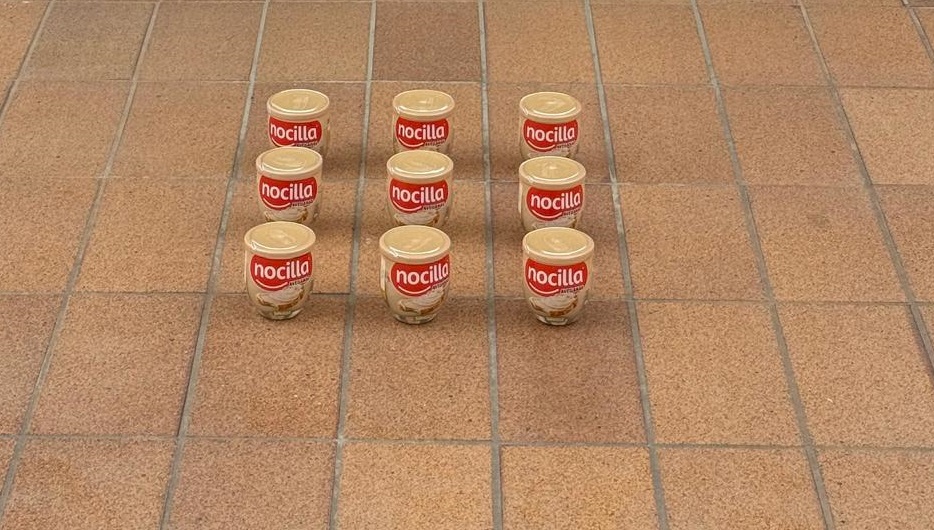
Let me know in the comments what you reach for when the urge hits. Mine is Nocilla, plus expensive hair products. In my defence, I use them right down to the last drop.
FAQ
Ready to build real financial confidence with women like you?
Join the Rich-Be.com waitlist to be first in when our women-only community and full 10-part education curriculum opens. Calm, clear money education, no jargon, no pressure.
Keep reading
- getting startedThe 7 Numbers You Should Know About Your FinancesYou do not need to understand every financial concept. You need to know seven numbers. Here is what they are, how to find them, and how often to check them.
- Getting StartedI Want to Get Better With Money. Where Do I Start?A calm, step by step way to work out what to fix first with your money: take a five point snapshot, find your biggest gap, and take one clear next step.
- BudgetingHow to Build a Realistic Budget and Emergency FundLearn how to build a budget that actually works and an emergency fund that fits your real salary. A practical, judgement-free guide for women in the EU.